Introduction
This 15 day China itinerary is built for first-time foreign visitors who want a richer first China route without turning the trip into a race. It follows a practical China travel route: Beijing for imperial history and the Great Wall, Xi’an for ancient China and food, Chengdu for pandas and Sichuan life, and Shanghai for modern neighborhoods, skyline views, and international departure options.
Compared with a 7-day or 10-day route, this China itinerary for foreigners gives you more breathing room. You still move between major cities, but the pace is easier, with space for food, parks, local neighborhoods, and one flexible buffer at the end.
Who this itinerary is for
Choose this route if this is your first time China trip and you want the classic Beijing Xi’an Shanghai route plus Chengdu. It works especially well for travelers who want history, food, pandas, teahouses, modern city life, and a manageable China high-speed rail itinerary.
This route is not designed for checking off every famous destination in China. It is for travelers who want a strong first impression, practical transport connections, and enough time to recover between big sightseeing days.
Quick route overview table
City – Recommended stay – Transport – Main focus; Beijing – 4 days – International arrival, subway, taxis, Great Wall transfer – Forbidden City, Great Wall, Temple of Heaven, hutongs, Peking duck; Xi’an – 2 days – High-speed rail or flight from Beijing – Terracotta Warriors, City Wall, Muslim Quarter, roujiamo, biangbiang noodles; Chengdu – 3 days – High-speed rail or flight from Xi’an – Panda Base, People’s Park, teahouses, Sichuan hotpot, optional Leshan or Dujiangyan; Shanghai – 4 days – Flight or high-speed rail from Chengdu – The Bund, Yu Garden, former French Concession, Lujiazui skyline, optional Suzhou or Hangzhou; Buffer – 2 days – Flexible city time or departure planning – Shopping, day trip, rest, airport positioning, final errands
Day 1-4: Beijing
Start in Beijing because it gives the strongest first impression of China’s history and makes the Great Wall easier to plan. Use day one gently: arrive, check in, set up Alipay or WeChat Pay, confirm mobile data, and take a simple hutong or park walk if you have energy.
Use day two for Tiananmen, the Forbidden City, Jingshan Park, and a relaxed dinner nearby. Travelers should always check official booking requirements before visiting the Forbidden City because reservation rules can change.
Day three works well for the Temple of Heaven, Lama Temple, Wudaoying, and Shichahai. This gives a more local rhythm after the big palace day. Day four should be your Great Wall day, with Mutianyu as a practical first-time choice. Leave early and avoid stacking a long train transfer on the same evening.
For food, try Peking duck, zhajiangmian, jianbing, copper-pot hotpot, local yogurt, and neighborhood noodle shops. Book famous duck restaurants ahead, but leave space for casual meals.
Day 5-6: Xi’an
Travel from Beijing to Xi’an on day five. China high-speed rail is a strong option for this leg if ticket times fit your schedule. Xi’an North station is large, so save your hotel address in Chinese and give yourself time to move across the city after arrival.
Spend the first afternoon on the City Wall, Bell Tower area, and a food walk near the Muslim Quarter. Xi’an is compact compared with Beijing, but it still rewards a slower evening rather than a packed checklist.
Use day six for the Terracotta Warriors. Go early, check current reservation rules, and allow enough time for transport back to the city. In the evening, focus on roujiamo, biangbiang noodles, lamb skewers, cold noodles, or yangrou paomo if you want a heavier local dish.
Day 7-9: Chengdu
Travel to Chengdu on day seven. The city changes the mood of the trip: it is slower, food-focused, and more relaxed than Beijing or Shanghai. Spend the arrival afternoon near People’s Park, a teahouse, Kuanzhai Alley, or a low-pressure neighborhood walk.
Use day eight for the Chengdu Research Base of Giant Panda Breeding. Go early, because pandas are usually more active in the morning and crowds build later. In the afternoon, choose a teahouse, a local market area, or a light museum stop rather than forcing another long excursion.
Day nine can be a Chengdu city day or an optional side trip. Leshan Giant Buddha is a popular full-day option, while Dujiangyan or Mount Qingcheng suits travelers interested in water engineering, Taoist culture, or a greener day. If you prefer a slower pace, stay in Chengdu for hotpot, teahouses, and local wandering.
Day 10-13: Shanghai
Travel from Chengdu to Shanghai on day ten. Flying is often more practical for this long leg, though rail-focused travelers can compare train options. Do not plan a heavy sightseeing day after the transfer.
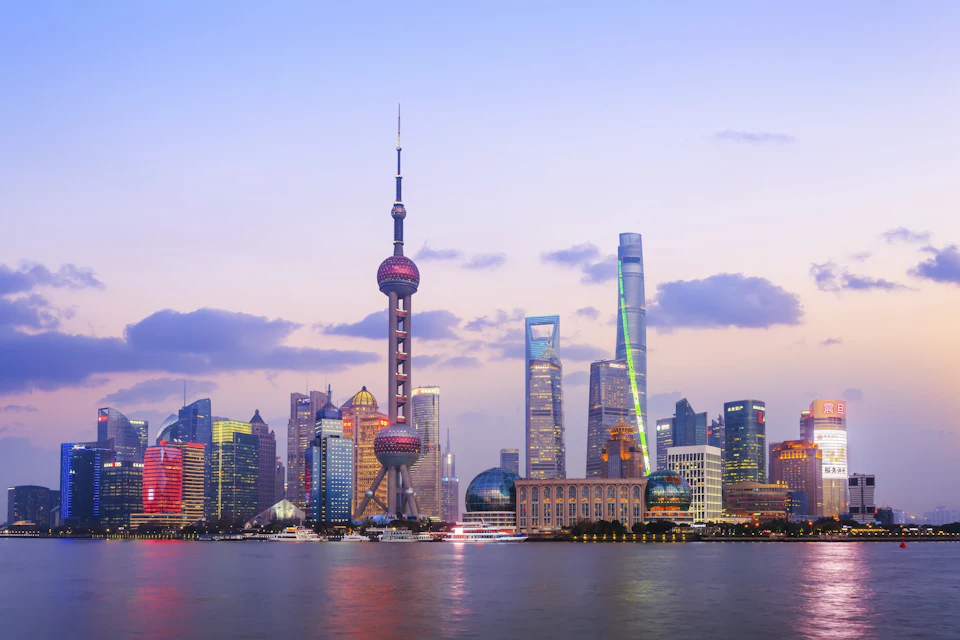
Use your first evening for the Bund and skyline views if the weather is clear. Day eleven can focus on Yu Garden, People’s Square, Nanjing Road, and Lujiazui. Choose one observation deck only if visibility is good and you genuinely want the view.
Day twelve is best for the former French Concession, Jing’an, Xuhui, cafes, museums, design shops, and slower street-level exploring. Day thirteen can stay in Shanghai or become a Suzhou or Hangzhou day trip if you still have energy. Suzhou is easier for gardens and canals; Hangzhou is better if you want West Lake scenery.
Day 14-15: buffer, shopping, day trip, or departure
The final two days are intentionally flexible. Many first-time visitors underestimate how tiring China can be because stations are large, walking days are long, and payment or translation details take attention. Use these days for shopping, laundry, a missed sight, a Suzhou or Hangzhou day trip, or positioning near your departure airport.
If your international flight leaves from Shanghai, keep the final day light. Avoid a faraway attraction before a long-haul flight, and confirm airport transport the night before.
Transport tips
This route works well as a China high-speed rail itinerary for Beijing to Xi’an and Xi’an to Chengdu if train times are convenient. Chengdu to Shanghai is much longer, so many travelers should compare flights. Always judge transport by door-to-door time, not only the time shown on the ticket.
Book with your passport name exactly as written. Save station names in Chinese, check whether your train leaves from a north, south, east, or west station, and arrive early for your first rail trip. Large Chinese stations can feel more like airports than small train stations.
Booking advice
Book the Forbidden City, Great Wall transport, Terracotta Warriors, Panda Base, popular museums, and intercity trains as early as practical. During Chinese public holidays, weekends, and school vacation periods, the best departure times and hotel locations can sell out quickly.
For hotels, prioritize location over the lowest price. A hotel near a useful subway line or station connection will save time every day. International visitors should also confirm that the hotel can accommodate foreign guests.
Food recommendations
In Beijing, try Peking duck, zhajiangmian, jianbing, lamb skewers, and copper-pot hotpot. In Xi’an, focus on roujiamo, biangbiang noodles, cold noodles, lamb skewers, and Muslim Quarter snacks.
In Chengdu, try Sichuan hotpot, mapo tofu, dan dan noodles, chuanchuan, dumplings in chili oil, and teahouse snacks. If you are sensitive to spice, ask for mild and balance hot meals with simpler dishes.
In Shanghai, look for xiaolongbao, shengjianbao, scallion oil noodles, local breakfast foods, and simple neighborhood restaurants. A good food rhythm is one planned meal per city plus casual local places.
Weather and packing notes
Spring and autumn are usually the easiest seasons for this route. Beijing and Xi’an can be dry and windy, Chengdu is often humid or grey, and Shanghai can feel damp depending on season. Summer can be hot and tiring; winter is manageable but requires real cold-weather clothing in the north.
Pack comfortable walking shoes, layers, a small day bag, power bank, passport, tissues, translation app, and offline screenshots of hotel addresses, train bookings, and attraction reservations.
Common mistakes
The biggest mistake is trying to add too many extra regions. Fifteen days is generous for a first trip, but not enough for every famous destination in China. Another mistake is treating Chengdu only as a panda stop, when the city’s food, teahouses, and slower rhythm are part of its value.
Other common mistakes include booking hotels far from metro lines, forgetting mobile payment setup, underestimating train station size, and planning major attractions on arrival or departure days.
FAQ
Is 15 days enough for a first China trip? Yes. A 15 day China itinerary is enough for Beijing, Xi’an, Chengdu, and Shanghai if you keep the route focused and avoid adding too many side trips.
Should I include Chengdu? Yes, if you want pandas, Sichuan food, teahouses, and a softer pace between Xi’an and Shanghai. Skip Chengdu only if you prefer a simpler Beijing-Xi’an-Shanghai route.
Should I use trains or flights? Use high-speed rail where it saves hassle, especially Beijing to Xi’an. For Chengdu to Shanghai, compare flights because the distance is longer.
Is this route easy for foreigners? It is manageable for independent travelers if you prepare mobile payment, internet access, train bookings, hotel addresses in Chinese, and backup screenshots before arrival.
Internal links
For shorter versions of this route, compare the 7-Day China Itinerary and 10-Day China Itinerary. For city planning, use the Beijing guide, Xi’an guide, Chengdu guide, and Shanghai guide. Before you arrive, read the Alipay guide, WeChat Pay guide, China eSIM guide, and China train guide.