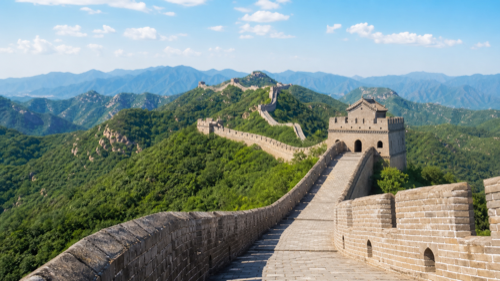
Quick answer: Jinshanling is the Great Wall section that hikers and photographers usually prefer: restored Ming-era walls, dozens of original watchtowers, and a wilder landscape with far fewer crowds than Badaling or Mutianyu. It sits about 120 km northeast of Beijing, roughly 2.5-3 hours by road. The classic walk from Jinshanling toward Simatai West takes about 4-6 hours.
Best for: hikers, photographers, and travelers who want to see both restored and original “wild” wall in one outing.
Last reviewed: August 2026. Tickets, opening hours, cable cars, and transport options change, so confirm current details before booking.
Why choose Jinshanling?
Most first-time visitors choose Badaling or Mutianyu because they are easier. Jinshanling is not difficult to visit, but it needs more planning and is usually worth it when you want a longer, more scenic walk.
| Section | Best for | Crowds | Travel from Beijing |
|---|---|---|---|
| Badaling | Easiest transport, most famous name | Very crowded | High-speed train plus shuttle, or tour bus |
| Mutianyu | Families, first-timers, toboggan ride | Moderate | Tour bus or private car, about 1.5-2 hours |
| Jinshanling | Hiking, photography, restored plus wild wall | Light | Private car or tour, about 2.5-3 hours |
| Simatai | Night visits, dramatic ruined towers | Light to moderate | Farthest, about 3-4 hours |
If you are deciding between sections, read our Mutianyu vs Badaling guide first. Jinshanling makes sense when you are comfortable walking for hours and you want the least touristy experience.
Tickets, opening hours and what to expect
Adult admission at Jinshanling is typically around RMB 65, with the cable car, when running, paid separately. Opening hours are usually about 8:00 to 17:00, but they can change with season and weather. Bring cash as well as Alipay or WeChat Pay, because signal and card readers at the site can be unreliable.
The site has an entrance village, ticket office, and a cable car that shortens the climb. From the cable car top you can still walk a good loop of restored wall, so you do not need to be a strong hiker to enjoy Jinshanling.
How to get to Jinshanling from Beijing
Jinshanling is far from central Beijing, and public transport is not as simple as for Badaling. The most practical options for most foreigners are a day tour or a private car with driver. A tour also handles the entrance ticket and timing, which removes most of the stress.
Disclosure: This post contains affiliate links. If you buy through them, we may earn a small commission at no extra cost to you. This never affects what we recommend or what you pay. We are not paid to publish positive reviews.
When comparing options, check what is included: entrance ticket, shuttle, cable car, lunch, and how much time you actually spend on the wall. Compare Great Wall day tours and private transfers on Klook, and read the meeting-point instructions before booking.
If you go independently, expect a combination of metro, long-distance bus or train toward Miyun or Luanping, and a local taxi. This can work, but it uses most of the day before you even reach the wall, so only choose it if you are comfortable with flexible planning.
Hiking routes and the walk toward Simatai
The classic Jinshanling experience is the one-way walk from the Jinshanling entrance east toward Simatai West, crossing restored wall and original “wild” sections with ruined towers. Plan 4-6 hours depending on pace and photo stops. A shorter option is to walk a loop from the main entrance or take the cable car up and walk back along the wall.
- Short loop: about 1.5-2 hours, good with children or hot weather.
- Classic one-way: 4-6 hours toward Simatai West; arrange the driver to collect you at the end.
- Photography route: stay near the main entrance towers at sunrise or late afternoon.
If you book a tour or private driver, confirm the pickup point at the end of the walk, because the Simatai West exit is not the same place as the entrance.
What to bring
- Hiking shoes or shoes with grip; some sections are uneven.
- At least 1-2 liters of water and snacks; food options near the wall are limited.
- Sun protection, a hat, and layers for wind at the towers.
- Power bank and a downloaded offline map in Amap / Gaode Maps.
- Cash plus Alipay or WeChat Pay for tickets, shuttle, and snacks.
- A travel eSIM such as Airalo if you want maps and translation working on the drive out.
Best time and photo tips
Go early in the morning to beat tour groups and heat, or go on a clear weekday for the best light. Autumn is the most popular season because the hills change color; spring is also good. Avoid Chinese public holidays if you can, especially early May, early October, and Lunar New Year, because the wall fills up.
For photos, watchtowers at the higher points give the classic view of wall snaking across ridges. A polarizer helps on sunny days, and a wide lens is useful for the towers.
Related Great Wall and Beijing guides
- Mutianyu vs Badaling: which Great Wall section to choose
- Badaling Great Wall guide
- Beijing street food guide
- Peking duck: how to order in Beijing
- How to use Amap / Gaode Maps in China
Affiliate note: We may earn a commission from a qualifying Klook or eSIM booking made through this guide, with no extra cost to you.