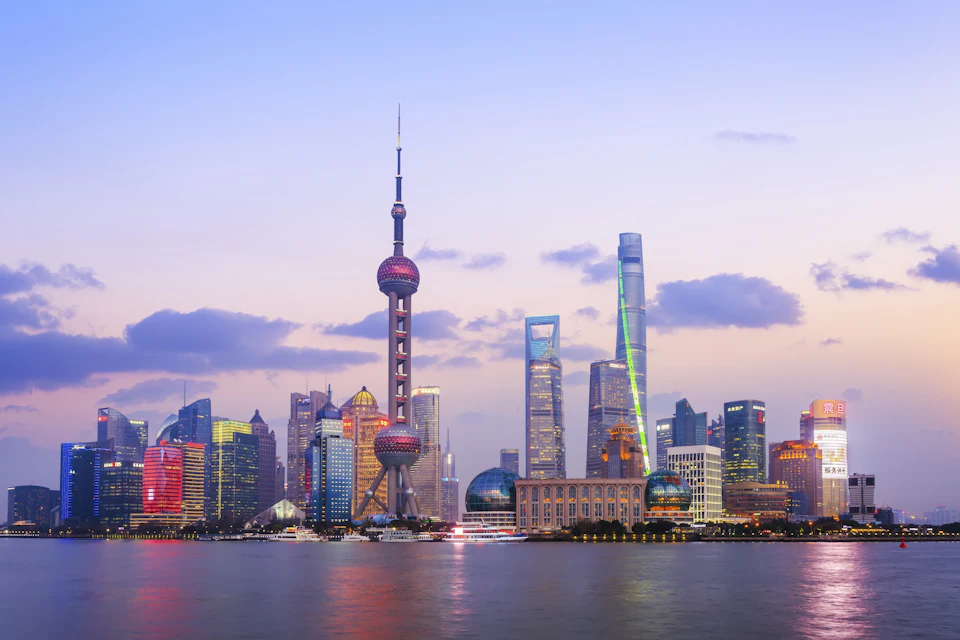
Quick answer: Shanghai is the easiest major Chinese city for first-time visitors — international, walkable in key districts, excellent for food and museums, and well-connected for day trips to Suzhou and Hangzhou by high-speed rail. Two full days covers the essentials; three to four days lets you add day trips without rushing.
Last reviewed: May 2026. Opening hours, ticket systems, and transport schedules can change. Check current details before booking non-refundable plans.
Neighborhoods and Where to Stay
Shanghai’s neighborhoods each have distinct character, and where you stay shapes your experience:
- People’s Square (人民广场): Central, practical, well-connected. Close to Nanjing Road, the Bund, and major metro lines. Best for first-time visitors who want a central base.
- Jing’an (静安): Polished and convenient. Jing’an Temple area has good hotels, restaurants, and shopping. Slightly more upscale than People’s Square.
- Xuhui / Former French Concession: Leafy streets, cafes, boutiques, and tree-lined lanes. Best for a slower, neighborhood-focused visit. Less central but more atmospheric.
- The Bund: Scenic river views but expensive. Good for a special night; not the most practical base for daily exploration.
- Pudong (浦东): Business district with skyline hotels. Best if you need airport or business access. Less convenient for sightseeing — you’ll spend time crossing the river.
Airport Transfer: Pudong vs Hongqiao
Shanghai has two major airports, and getting them confused can cost you time and money:
| Airport | Distance from Center | Best Transfer Options | Notes |
|---|---|---|---|
| Pudong (PVG) | ~45 km east of city center | Maglev: 8 min to Longyang Road (then metro). ¥50 (¥40 with flight ticket). Runs 6:45–21:40. Metro Line 2: ~70 min to People’s Square. Cheapest option. Taxi: ~60-90 min, ¥200-300 depending on destination. | Most international flights arrive here. Maglev is fast but only goes to Longyang Road — you’ll need to transfer to metro or taxi from there. |
| Hongqiao (SHA) | ~15 km west of city center | Metro Line 2 or 10: ~30-40 min to central areas. Taxi: ~30-50 min, ¥80-150. | Closer to city center. Connected to Hongqiao Railway Station — convenient for high-speed rail connections. Mostly domestic and regional flights. |
Key tip: Hongqiao Airport and Hongqiao Railway Station are connected but separate facilities — check your ticket carefully. If you arrive at Pudong and your train leaves from Hongqiao, budget at least 2 hours for the cross-city transfer.
A 2-Day Shanghai Route
Day 1 — The Classic Shanghai: Start at the Bund (外滩) in the morning for river views and colonial architecture. Walk Nanjing Road to People’s Square. Visit the Shanghai Museum (free, but book ahead). Lunch at a local shengjianbao (pan-fried soup dumpling) shop. Afternoon: Yu Garden (豫园) and the surrounding bazaar. Evening: cross to Pudong for skyline views from Lujiazui — the observation deck at Shanghai Tower or a riverside drink.
Day 2 — Neighborhoods and Food: Morning in the Former French Concession — walk Wukang Road, Fuxing Park, and the plane-tree-lined streets. Visit Tianzifang (田子坊) for lane-house galleries and shops. Lunch: xiaolongbao (soup dumplings) at a local restaurant. Afternoon: Jing’an Temple and surrounding streets. Evening: Yunnan Road or a local food street for dinner. Try scallion oil noodles (葱油拌面) and braised pork (红烧肉).
With a third day: Day trip to Suzhou or Hangzhou — both reachable in 30-60 minutes by high-speed rail. Suzhou for classical gardens and canals. Hangzhou for West Lake and tea culture.
For pre-booked tours and attraction tickets in Shanghai, Klook and KKday offer English-friendly booking for observation decks, day trips, Huangpu River cruises, and guided walking tours. We may earn a commission if you purchase through these links, at no extra cost to you.
Shanghai Food: What to Eat and Where
Shanghai cuisine is characterized by rich, sweet-savory flavors and an emphasis on seafood and freshwater ingredients. The must-try dishes:
- Xiaolongbao (小笼包): Soup dumplings — the iconic Shanghai dish. Look for busy local shops, not just tourist restaurants. Din Tai Fung is the famous chain; local shops often serve equally good versions at lower prices.
- Shengjianbao (生煎包): Pan-fried pork buns — crispy bottom, juicy filling. A breakfast staple. Yang’s Fried Dumplings (小杨生煎) is a reliable chain.
- Scallion oil noodles (葱油拌面): Simple, perfect street food. Cheap and everywhere.
- Braised pork (红烧肉): Rich, caramelized pork belly. A Shanghainese classic.
- Hairy crab (大闸蟹): Seasonal (autumn). An expensive specialty — worth trying if you’re in Shanghai during October-November.
Don’t eat only in shopping malls. Shanghai’s best everyday food is often in busy neighborhood shops — follow the local lunch crowds.
Day Trips from Shanghai
Suzhou (苏州): 30 minutes by high-speed train from Shanghai Hongqiao. Famous for classical gardens (Humble Administrator’s Garden, Lingering Garden), canals, silk history, and Pingjiang Road. A full day trip.
Hangzhou (杭州): 60 minutes by high-speed train. West Lake, Lingyin Temple, Longjing tea plantations, and Hefang Street. Better as a full day or overnight — Hangzhou rewards a slower pace.
Zhujiajiao Water Town (朱家角): 60-90 minutes by metro or taxi. Ancient canal town with bridges, narrow lanes, and street food. A half-day trip — practical if you want a water town experience without the train booking.
Practical Tips
- Metro: One of the easiest systems in China. Get a transportation card or use Alipay’s transport QR code. Avoid rush hour (7:30–9:00 AM, 5:30–7:00 PM) with luggage.
- Navigation: Apple Maps works well on iPhone. For Android or as backup, install Amap and download offline maps.
- Payments: Set up Alipay before arrival — QR code payment is used everywhere, from metro tickets to street food.
- Weather: Spring (March-May) and autumn (September-November) are ideal. Summer is hot and humid with occasional rain. Winter is damp and chilly — pack layers.
- Booking ahead: Shanghai Museum, observation decks, Disneyland, and high-speed trains for Suzhou/Hangzhou should be booked in advance during peak seasons and weekends.
FAQ
Is Shanghai good for first-time China visitors?
Yes — it’s the most internationally accessible Chinese city. The metro is easy to navigate, more English is spoken than in most Chinese cities, and it’s an excellent entry or departure point for a broader China trip. It pairs well with Beijing and Xi’an in a 10-day itinerary.
Shanghai vs Beijing — which should I visit?
They’re complementary, not competing. Beijing is about imperial history, ancient monuments, and traditional culture. Shanghai is about 20th-century architecture, modern China, food, and neighborhood life. If you have 7+ days, visit both. For a short trip, choose based on what interests you more.
How many days do I need in Shanghai?
Two full days covers the essentials (Bund, French Concession, Yu Garden, one museum, good food). Three days lets you add a water town or neighborhood exploration without rushing. Four days is ideal for a relaxed visit plus one day trip.
Can I do Suzhou and Hangzhou as day trips?
Suzhou works well as a day trip (30 min by train). Hangzhou is better as a full day or overnight — the main sights are spread out and the city rewards a slower pace. Trying to do both in a single day is not recommended.
Is Shanghai expensive?
It can be — international hotels, fine dining, and observation decks add up quickly. But budget travel is also possible: street food, metro travel, free attractions like the Bund and French Concession walking, and mid-range hotels keep costs reasonable. Compared to Beijing or Xi’an, Shanghai is more expensive on average but still affordable by international standards.
Related Guides
- First Trip to China — Complete planning guide
- 7-Day China Itinerary
- 10-Day China Itinerary
- Hangzhou Travel Guide
- Suzhou Travel Guide
- How to Use Amap / Gaode Maps
- How to Use Alipay in China
- How to Book High-Speed Rail
Editor note: Opening hours, ticket prices, tour availability, metro schedules, and restaurant information can change. Use this guide as a practical starting point, then confirm current details before booking non-refundable plans. Affiliate commissions do not affect our recommendations.