Quick Answer
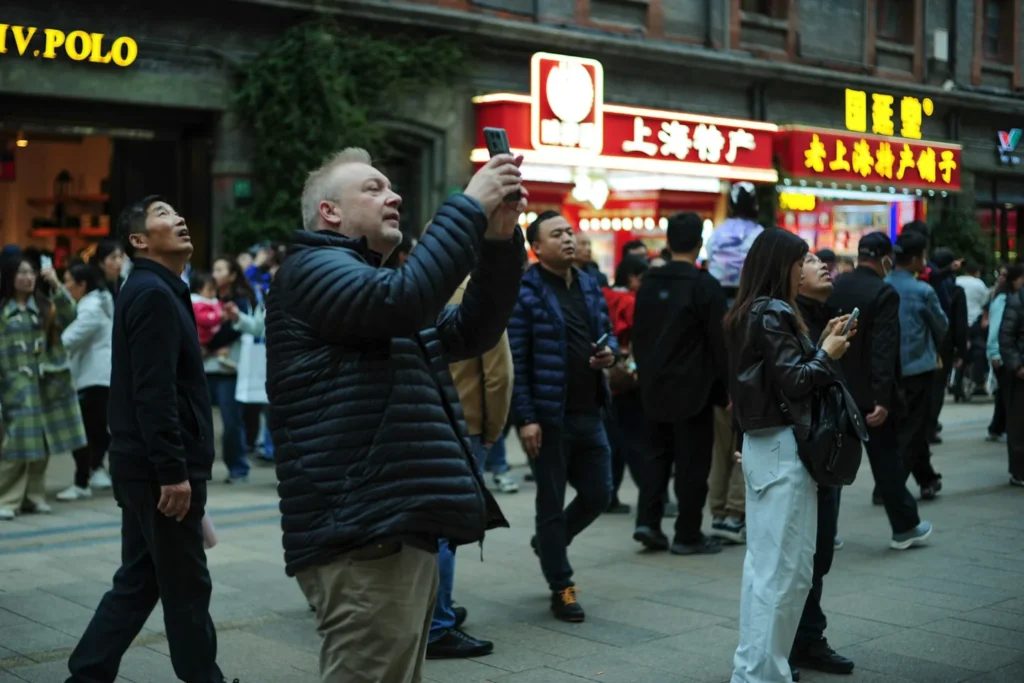
China in 2026 is more accessible for foreign visitors than it has been in years. Expanded visa-free policies now cover dozens of nationalities, mobile payment apps work with international cards, and the high-speed rail network makes city-to-city travel remarkably efficient. That said, a smooth trip depends on one thing: preparation before you fly. Get your internet, payments, and key apps sorted before departure, and China becomes one of the most rewarding destinations for independent travelers. Show up without them, and even ordering lunch can become an adventure you didn’t plan for.
This guide walks through everything a first-time visitor needs to plan — from visas to internet to city choices — all in one place. It links to Discover Real China’s detailed guides for each topic, so you can go deeper wherever you need to.
Last reviewed: May 2026. Visa policies and app requirements can change; always confirm official details before booking non-refundable plans.
Is This the Right Trip for You?
China rewards travelers who enjoy figuring things out — navigating a metro system in a new language, trying food they can’t name, and soaking in places that feel genuinely different from home. If you’re an independent traveler who values efficiency, loves big cities, and has decent comfort with a smartphone, you’ll likely find China exciting rather than overwhelming.
That said, China might not be the right first Asia trip if:
- You’re looking for a relaxed beach holiday where everything is in English.
- You’re uncomfortable relying on your phone for payments, maps, and translations.
- You’re an extremely selective eater and the idea of guessing what’s in a dish stresses you out.
- You want a destination where you can figure everything out after you land.
China isn’t difficult — but it does ask you to prepare. For the right traveler, that preparation is a small price for one of the world’s most fascinating countries.
Before You Book: 5 Things to Know
1. Not every hotel can accept foreigners. Chinese hotels need a license to register international guests. Large chains and hotels listed on Trip.com generally have it. Small guesthouses and private apartments may not. Always confirm before booking, especially outside major cities. You can find more on this in our city guides.
2. English is not widely spoken. Even in Beijing and Shanghai, most restaurant staff, taxi drivers, and shopkeepers don’t speak English. You’ll rely on translation apps, pointing, and saved Chinese text. It works fine — millions of foreign travelers manage — but go in expecting to communicate visually, not verbally.
3. China is overwhelmingly cashless. Street food stalls, metro ticket machines, even temple donation boxes — most transactions happen via QR code. Set up Alipay and WeChat Pay before you fly, with an international card linked and verified. Keep some RMB cash (small bills: RMB 10, RMB 20, RMB 50) for the rare moment when mobile payment doesn’t work.
4. Major Chinese holidays shut everything down. During Chinese New Year (late January to mid-February) and Golden Week (October 1–7), trains sell out, attractions are packed, and many small businesses close. If your dates are flexible, avoid these periods. If they’re not, book transport and accommodation far in advance.
5. Toilets, smoking, and crowds. Public restrooms are common but often lack toilet paper and soap — carry your own. Indoor smoking is still relatively common in some restaurants and public spaces, though major cities are gradually restricting it. And popular attractions in peak season can feel genuinely crowded in a way that surprises visitors from less dense countries. Go early in the day whenever you can.
Visa and Entry: What You Need
China’s entry rules have expanded significantly. As of May 2026, here’s what applies to most foreign visitors:
30-day visa-free entry: Passport holders from approximately 47 countries — including the UK, most EU nations, Australia, New Zealand, Canada, Japan, South Korea, Singapore, Malaysia, and Thailand — can enter China without a visa for up to 30 days. This covers tourism, business, and family visits.
240-hour transit visa-free: If your nationality isn’t covered by the 30-day program, you may still qualify for 10-day visa-free transit — including US citizens. The rule: you must enter China at one of the designated ports (Beijing, Shanghai, Guangzhou, Chengdu, Xi’an, and others), stay within approved regions, and have a confirmed onward ticket to a third country (not the country you arrived from). See our full 240-hour transit guide for the detailed rules and eligible airports.
Tourist L visa: If neither option above covers you, apply for a tourist visa at your nearest Chinese Visa Application Service Center (CVASC). Processing typically takes 4–7 business days. You’ll generally need: a passport valid for 6+ months beyond arrival with 2+ blank pages, a completed application form, a passport photo, proof of hotel bookings and flights, and a rough itinerary.
⚠️ Important: Visa-free policies change. Always verify your specific nationality’s current status through the official website of the nearest Chinese embassy or consulate before booking flights. The 240-hour transit rules on eligible ports and permitted travel regions are updated periodically.
Internet: eSIM, Roaming, or VPN?
This is the most important practical decision you’ll make before your trip. In China, Google, Gmail, WhatsApp, Instagram, YouTube, and many other international services are blocked. But you have three ways to stay connected:
| Method | How It Works | Bypasses Block? | Best For |
|---|---|---|---|
| Roaming-partner eSIM | Uses Chinese mobile towers but routes data through Hong Kong or Singapore | ✅ Yes — no VPN needed | Most travelers. Simplest option. |
| International roaming | Your home carrier’s roaming plan in China | ✅ Usually yes | Short trips. Convenient but can be expensive. |
| VPN + local SIM or WiFi | Connect to local Chinese internet, then activate VPN to access blocked services | ⚠️ Partial — VPN reliability varies | Budget travelers and long stays. |
Our recommendation for first-timers: A roaming-partner eSIM is the simplest path. It gives you access to Google, WhatsApp, Gmail, Instagram, and everything else without needing to configure a VPN. Purchase and install it before your flight. For a detailed comparison of providers, see our Best eSIM for China Travel guide.
If you choose the VPN route instead, you must install and test your VPN before arriving — VPN provider websites are blocked inside China, and you won’t be able to download one after landing. Our Best VPN for China Travel guide covers what currently works and how to set it up.
Looking for specific eSIM options? These providers offer China travel eSIMs with Hong Kong/Singapore routing. We may earn a commission if you purchase through these links, at no extra cost to you.
- Airalo — China eSIM plans starting around $5. Reliable, widely used. Check Airalo China eSIM plans
- Saily — eSIM by the makers of NordVPN. Competitive pricing for China data. Check Saily China eSIM plans
- Yesim — eSIM with longer validity periods, good for multi-week trips. Compare Yesim China eSIM plans
Payments: Alipay and WeChat Pay
Set these up before your flight, not after. Both apps now support international credit cards, and identity verification for foreign visitors has been significantly streamlined.
What to do before departure:
- Download Alipay and WeChat from your phone’s app store.
- Sign up with your phone number and link an international Visa or Mastercard.
- Complete identity verification — you’ll need to photograph your passport.
- Send RMB 1 to a friend or make a small test purchase to confirm everything works.
In China, you pay by scanning a merchant’s QR code (or having them scan yours). It takes seconds once you’re used to it.
Backup plan: Keep one additional card linked to the other app, and carry about RMB 300–500 in cash (small bills). Cash is still legally accepted everywhere, even if it’s rarely used. Some ATMs in major cities accept foreign cards — look for Bank of China or ICBC machines.
Full setup walkthroughs (with screenshots and troubleshooting) are in our Alipay guide and WeChat Pay guide.
Maps and Navigation
Google Maps is unreliable in China — street layouts are often offset, and transit directions don’t work correctly. Apple Maps works well because it uses Amap (Gaode Maps) data through Apple’s MapKit. If you have an iPhone, you’re covered.
For Android users, or anyone who wants the most accurate public transit directions, Amap (高德地图 / Gaode Maps) is the best choice. The app has some English interface support, particularly in major cities. Our Amap guide walks through setup, searching in English, and reading metro directions.
For ride-hailing within cities, local ride-hailing apps offer English interfaces. Always save your hotel name and address in Chinese characters — you can show it to a driver or type it into a map app.
Choosing Your Cities
The single most common mistake first-time visitors make is trying to see too many cities in too few days. For a 7–10 day trip, pick two, maximum three cities. China’s cities are large, and the travel time between them, even by high-speed rail, eats into your trip more than you expect.
Here are the best first-trip combinations:
| Route | Duration | Best For |
|---|---|---|
| Beijing + Xi’an | 7–10 days | History and iconic sights. Forbidden City, Great Wall, Terracotta Warriors. The classic first-timer route. |
| Beijing + Shanghai | 7–10 days | Contrast. Imperial capital to futuristic skyline. Fast HSR connection, about 4.5 hours. |
| Shanghai + Hangzhou + Suzhou | 7–10 days | Softer entry. Gardens, canals, tea culture, with Shanghai’s city energy. Best for travelers who want a gentler pace. |
| Beijing + Xi’an + Chengdu | 12–15 days | The big three. Add pandas and Sichuan food to the history route. |
Detailed guides for each city:
- Beijing 3-Day Itinerary — Forbidden City, Great Wall, hutongs, duck.
- Shanghai First-Time Guide — The Bund, French Concession, skyline.
- Xi’an Terracotta Warriors Guide — Warriors, city wall, Muslim Quarter food.
- Chengdu Pandas Food Teahouses — Panda Base, Sichuan cuisine, relaxed pace.
- Hangzhou Travel Guide — West Lake, tea villages, easy Shanghai side trip.
- Suzhou Travel Guide — Classical gardens and canal streets.
For ready-made multi-city plans, see our itinerary guides: 7-Day, 10-Day, 15-Day Itineraries.
Getting Around: Flights vs High-Speed Rail
For most city-to-city travel in China, high-speed rail beats flying.
Here’s why: train stations are in city centers, not airports an hour outside town. There’s no check-in queue, no security line that takes 45 minutes, and the trains leave precisely on schedule at speeds up to 350 km/h. For Beijing to Shanghai (about 4.5 hours by rail), by the time you factor in airport transfers and waiting, flying saves you little to no time — and costs more.
Rule of thumb: If the high-speed train takes under 5 hours, take the train. For longer distances (Beijing to Chengdu, about 7.5 hours), a flight may make more sense.
Book train tickets through Trip.com (English interface, small service fee) or the official 12306 app. Your passport is your ticket — scan it at the manual gate at the station. For the full walkthrough, see our High-Speed Rail guide, and for flights, our Flights booking guide.
For booking flights to and within China, these services accept international payment and show routes from major global airlines and Chinese carriers. We may earn a commission if you purchase through these links, at no extra cost to you.
- Kiwi.com — Search flights to China from your home country. Flexible date options and multi-city routing. Compare flights to China on Kiwi.com
- Aviasales — Flight metasearch with good coverage of Chinese domestic routes and international connections. Search flights on Aviasales
For tours, attraction tickets, and activities within China. We may earn a commission if you purchase through these links, at no extra cost to you.
- Klook — Tours, attraction tickets, and high-speed rail bookings across major Chinese cities. Browse China tours and tickets on Klook
- KKday — City tours, food experiences, and day trips. Good complement to Klook for options. Browse China tours and experiences on KKday
Food and Culture: What to Expect
Meals in China are often shared — dishes arrive in the center of the table and everyone takes from them with their own chopsticks. This can feel unfamiliar if you’re used to ordering individual plates, but it’s one of the best parts of eating here: you get to try more things.
A few norms: Don’t stick your chopsticks vertically into a bowl of rice (resembles funeral incense). Tipping is not customary — don’t do it. Tap water isn’t safe to drink, but bottled water is cheap and widely available. And tea is woven into daily life — you’ll often get a pot with your meal without asking.
If you’re nervous about food, you’re not alone. Photo menus and translation apps make ordering easier than it used to be. Start with dishes you can see and recognize — dumplings, noodles, stir-fried vegetables, grilled meat skewers. China’s food scene is staggeringly diverse, and you don’t need to be adventurous to eat well here.
For a deeper dive into specific foods and food streets: Peking Duck in Beijing, Zhajiangmian Noodles, wide hand-pulled noodles from Xi’an, Roujiamo in Xi’an, and the China Food Streets & Night Markets guide.
Safety, Hospitals, and Emergency
China is one of the safest countries for travelers. Violent crime against foreigners is extremely rare, even at night in major cities. Pickpocketing can happen in very crowded tourist areas, so keep valuables secure, but general safety is not a concern most visitors need to worry about.
Emergency numbers:
- Police: 110
- Ambulance: 120
- Fire: 119
Most operators don’t speak English — in a serious situation, ask your hotel staff or a local to call for you, or use a translation app to communicate the emergency.
For medical care, international hospitals in Beijing, Shanghai, and Guangzhou offer English-speaking service but are more expensive. Public hospitals are cheaper but harder to navigate without Chinese. Travel insurance with medical coverage for China is strongly recommended. Our Hospital & Clinic Basics guide covers what to expect, typical costs, and how to prepare.
Route Suggestions: 7, 10, or 15 Days
Not sure which itinerary fits your trip length? Here’s the one-sentence summary of each — expand to the full guide for day-by-day details:
- 7-Day Itinerary — Beijing and Xi’an. Two cities, the greatest hits, no wasted days.
- 10-Day Itinerary — Beijing, Xi’an, and Shanghai. The classic triangle with comfortable pacing.
- 15-Day Itinerary — Beijing, Xi’an, Chengdu, Shanghai. Add Sichuan food and pandas to the classic route.
If you have a month or more, the 30-Day China Itinerary covers a broader sweep including Guilin and Yunnan.
Pre-Trip Checklist
Print this or screenshot it. Work through it in the week before you fly:
| ✓ | Task |
|---|---|
| ☐ | Check visa requirements: visa-free, 240-hour transit, or tourist visa — confirm for your nationality. |
| ☐ | Download and set up Alipay and WeChat. Link an international card. Complete identity verification. |
| ☐ | Purchase and install an eSIM for China data (if using one). Test it works before departure. |
| ☐ | If using VPN instead: install, enable obfuscation mode, and test it before flying. |
| ☐ | Download Amap (Gaode Maps) or verify Apple Maps has China data. |
| ☐ | Download a translation app (Microsoft Translator or DeepL) with offline Chinese pack. |
| ☐ | Book foreigner-friendly hotels — confirm they accept international guests. |
| ☐ | Save hotel names and addresses in Chinese characters — screenshot them. |
| ☐ | Book inter-city high-speed rail tickets if traveling during holidays or peak season. |
| ☐ | Print or save digital copies of: passport, visa (if applicable), hotel confirmations, flight tickets, travel insurance. |
| ☐ | Carry ~RMB 300–500 in cash — small bills of RMB 10, RMB 20, RMB 50. |
| ☐ | Pack: tissues, hand sanitizer, power bank with CCC marking, any prescription medications (with documentation). |
| ☐ | Fill out the digital arrival card (24–72 hours before departure) if applicable for your entry port. |
| ☐ | Purchase travel insurance with China medical coverage. |
FAQ
Do I need a visa for China?
It depends on your nationality. As of May 2026, approximately 47 nationalities can enter visa-free for up to 30 days. US citizens and many others can use the 240-hour transit program. A standard tourist visa is the fallback. Always check with your nearest Chinese embassy or consulate — policies change.
Do I need a VPN?
Not necessarily. A roaming-partner eSIM — one that routes data through Hong Kong or Singapore — lets you access Google, WhatsApp, Instagram, and Gmail without a VPN. If you use a local SIM or hotel WiFi instead, you will need a VPN for blocked services. Read our guides: eSIM and VPN.
Can I use Alipay and WeChat Pay with a foreign card?
Yes. Both apps now accept international Visa and Mastercard. You need to complete identity verification (passport photo). Set these up before you fly — see our Alipay and WeChat Pay guides.
Is China safe for solo travelers?
Yes. China is extremely safe by global standards. Violent crime is rare. Solo female travelers routinely report feeling safe even walking alone at night in major cities. Standard precautions apply: watch your belongings in crowded tourist areas, and keep your hotel address handy.
How many cities should I visit in 10 days?
Two, maybe three at most. China’s cities are big and the travel between them takes longer than you think. Beijing + Xi’an, or Beijing + Shanghai, are ideal 10-day first-trip routes. See our 10-Day Itinerary for a day-by-day plan.
What if my phone dies or I lose internet?
Carry a power bank (make sure it has a CCC mark for domestic flights). Keep a printed copy of your hotel address in Chinese. Know that most hotels have WiFi, and staff can help you in a pinch. Having a backup payment method (a second card linked to a second app, plus some cash) covers you if mobile payment fails.
Can I drink tap water?
No. Stick to bottled water, which is cheap and available everywhere. Most hotels provide bottled water or an electric kettle for boiling.
Will people speak English?
Generally, no — not in restaurants, taxis, or shops. But younger people in big cities often know some English, and people are usually patient and willing to help a foreigner who’s trying. Translation apps bridge most gaps. See our QR Codes guide for navigating menus and services with your phone.
Related high-opportunity guides:
What It Costs
China can be surprisingly affordable or genuinely expensive — it depends entirely on your choices. A simple noodle lunch costs RMB 15–30 ($2–4). A metro ride is RMB 2–5. A mid-range hotel room runs RMB 400–800 ($55–110) per night in major cities. But international hotels, fine dining, and private tours can push daily costs above $300 without much effort.
The smart approach: spend on location and comfort where it matters (good hotel, reliable train timing, one or two memorable meals) and save on everyday food and public transport. Our China Cost Differences guide breaks down a realistic trip budget.
For first-time visitors, learning the city subway systems in China is one of the easiest ways to make each day cheaper and less stressful.
Related food guides:
If Xi’an is on your route, open the Xi’an city and 3-day planning guide before booking the train.
Related Guides
Every topic in this guide has a full article with step-by-step detail:
- Internet & connectivity: Best eSIM for China Travel — Best VPN for China Travel
- Payments: How to Use Alipay — Can Foreigners Use WeChat Pay
- Navigation: How to Use Amap / Gaode Maps — QR Codes in Daily Life
- Transport: High-Speed Rail Guide — Flights Booking Guide
- Visas: China 240-Hour Transit Visa-Free
- Cities: Beijing — Shanghai — Xi’an — Chengdu — Hangzhou — Suzhou
- Itineraries: 7-Day — 10-Day — 15-Day — 30-Day
- Attractions: Forbidden City — Great Wall — The Bund
- Food: Peking Duck — Zhajiangmian — Food Streets & Night Markets
- Planning: Cost Differences — Hospital & Clinic Basics
Editor Note
Discover Real China is written for foreign visitors who want practical, local, and realistic China travel guidance. This guide is a starting point — every linked article goes deeper. Confirm visa rules, app requirements, and transport details before you book non-refundable plans. Travel policies change; the official website of your nearest Chinese embassy or consulate is the most reliable source for current entry requirements.
Essential Tools for Your First China Trip
Airalo China eSIM
Internet from landing
- Install before departure
- Useful for maps and payments
- Simple first-trip setup

Klook
Tickets and day tours
- Attraction and tour options
- Useful English booking flow
- Good for first-trip planning
First-trip search wording
First-time visitors often search for China travel tips, China tourist attractions, tourist places in China, China travel guide, apps, payment, eSIM, VPN, and itinerary in one session. Treat the first trip as a systems problem: internet, payment, maps, trains, hotels, and only then the sightseeing route.